Projects
Explore advocacy work and initiatives
About Jeju
Empowering Small Businesses Through Language Access
A Personal Connection to Change
Jeju's traditional markets were a familiar part of my childhood—my father's side of the family is from the island, and I grew up surrounded by the rhythms of local vendors and community life. But returning as a teenager, I was struck by how much had changed. Rapid gentrification and foreign investment were reshaping the island, and traditional businesses—particularly those run by elderly owners—were increasingly marginalized. Many lacked the tools to promote themselves or communicate with Jeju's growing foreign population.
In 2019, Jeju recorded the highest proportion of foreign residents among Korea's provinces, yet many local businesses remained inaccessible due to language barriers. To address this gap, I began working with over 80 small businesses across four traditional markets, translating menus, signage, and basic customer communication materials. Recognizing that many vendors were unfamiliar with digital tools, I created a paperback phrasebook tailored to their needs—clear fonts, large print, and simple Korean-to-English translations.
As the project expanded, I added Korean-Chinese, Korean-Vietnamese, and other commonly spoken language pairs to better support Jeju's increasingly diverse population. In my final year of high school, I passed the project on to a junior to continue. This experience helped me realize that small, practical changes—rooted in listening and local context—can make a meaningful difference.
“Anti-oppression work isn't always dramatic. Sometimes it's as simple—and as powerful—as ensuring that elders can earn a living with dignity, that their businesses aren't left behind, that language doesn't become a barrier to economic survival.”
Building Bridges, Not Barriers
Menu Translation
Translated menus and signage for over 80 small businesses, making their offerings accessible to international visitors. Each translation honored the cultural significance of traditional dishes while ensuring clear communication.
"This wasn't just translation—it was cultural preservation and economic empowerment."
Analogue Translation Booklet
Recognizing that digital solutions excluded elderly vendors unfamiliar with technology, I designed a simple, paper-based translation booklet. User-friendly, portable, and requiring no digital literacy—meeting people where they are.
"Technology should serve people, not exclude them. Real solutions account for everyone's needs."
Anti-Oppression in Action
Economic oppression doesn't always look like poverty. Sometimes it looks like a grandmother who's run a noodle shop for 40 years watching tourists walk past because she can't communicate in their language.
When globalization benefits only those who speak English or have access to technology, it becomes a system of exclusion. Our elderly business owners weren't "behind the times"—they were being left behind by systems that didn't consider their needs.
This project was anti-oppression work because it challenged economic exclusion based on language and age, centered the needs of marginalized business owners, and built sustainable structures that continue beyond my involvement.
Community Impact
Real numbers representing real people and real dignity
Small Businesses
Traditional Markets
Menus Translated
Translation Booklets
Community in Action
Visual documentation of our work across four traditional markets, partnering with 80+ business owners to build economic bridges.
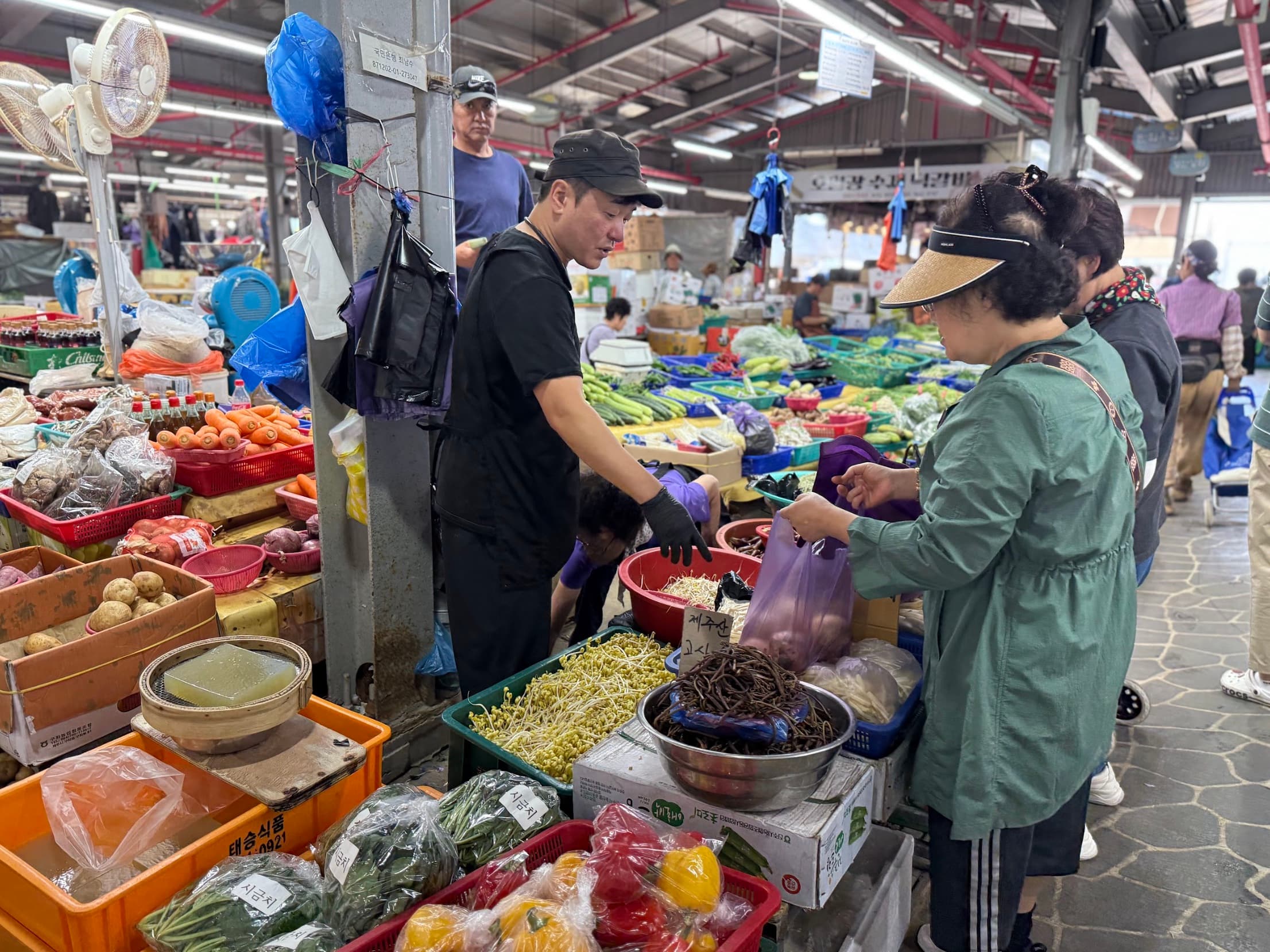
Working directly with traditional vendors in Jeju Island
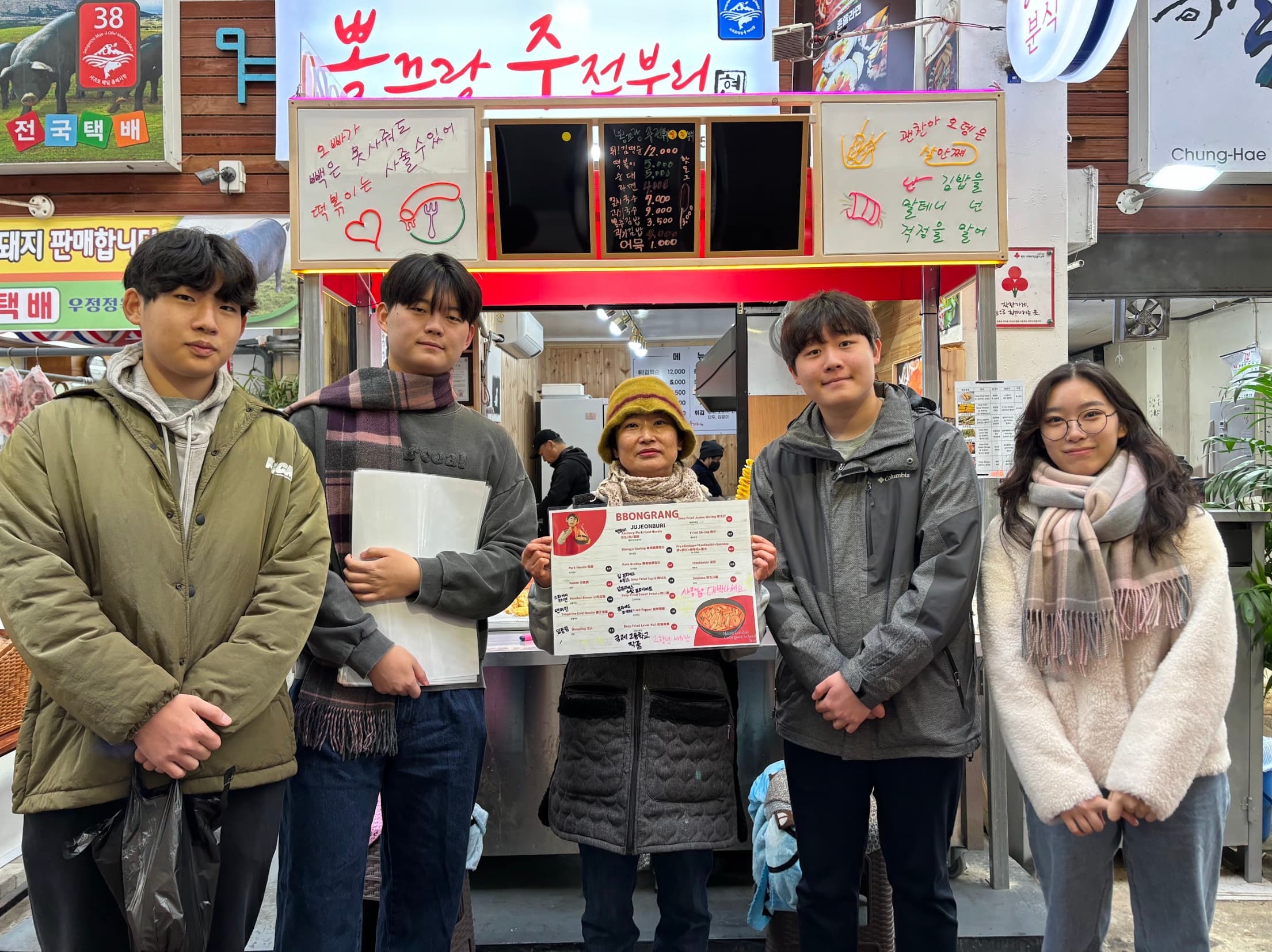
Constructing local relationships with restaurant owners
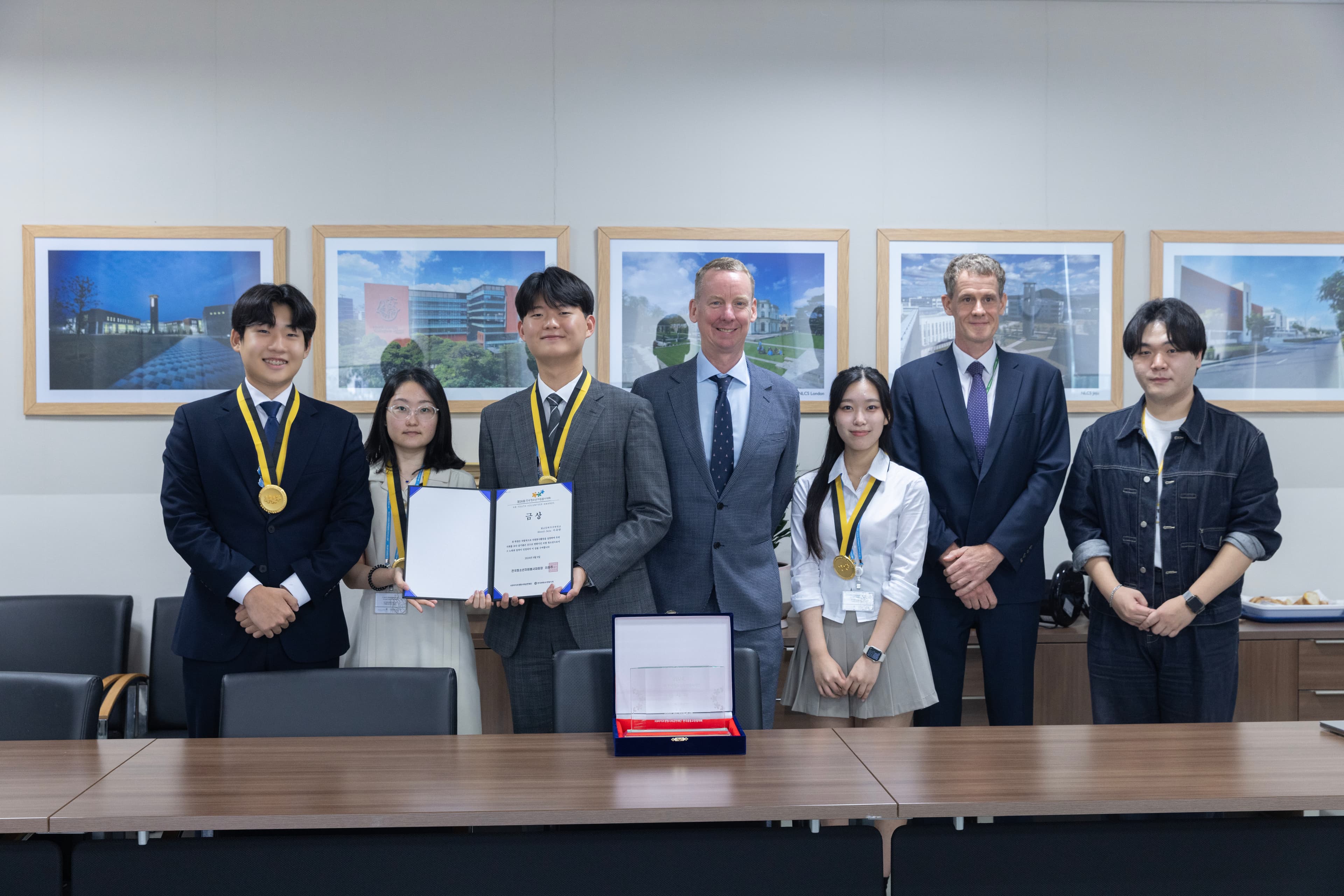
Building relationships through translation and support
Translation in Practice
장인의 집 (Master Craftsman's House)
Traditional Korean → English Menu Translation Example
Translation Philosophy: We didn't just convert words. We preserved cultural context, explained significance, and honored the stories behind each dish—ensuring tourists understood they weren't just buying food, but experiencing heritage.
What I Learned
Economic Justice Is Anti-Oppression Work
When elderly business owners can't participate in a globalizing economy because of language barriers, that's not just unfortunate—it's systematic exclusion. Helping them access economic opportunity is fundamentally anti-oppression work.
Meet People Where They Are
The most effective solutions aren't always the most high-tech. An analogue translation booklet served elderly vendors far better than any app could have. True solidarity means designing for everyone's reality, not imposing our preferred solutions.
Build Structures That Last
When I handed this project over to other students in my senior year, I ensured it wasn't dependent on me. Real anti-oppression work builds structures that outlast individuals—it creates ongoing capacity for community-led solutions.
Economic Justice for All
This project showed me that anti-oppression isn't limited to dramatic protests or policy battles. Sometimes it's ensuring an elderly woman can sell her kimchi to tourists. That's dignity. That's justice.